
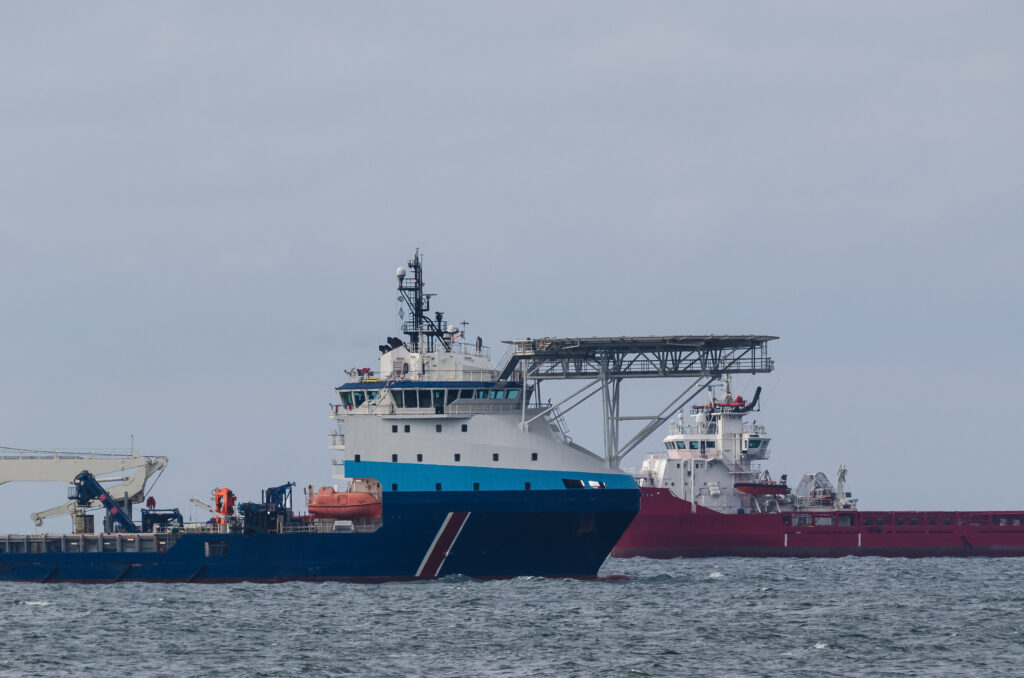
If you work on the water in Louisiana, from the busy Port of New Orleans to the oil platforms off the coast of Grand Isle, you may have heard the term Jones Act seaman. But what does this legal term actually mean for you if you’re injured? Unlike typical workers’ compensation, the Jones Act is a powerful federal law that provides special protections for seamen and grants you the right to sue your employer for negligence. Understanding whether you qualify is the critical first step in protecting your rights after a serious maritime injury. The Louisiana maritime injury attorneys from Mike Brandner Law explain what a Jones Act seaman is in this blog.
Who Qualifies as a Jones Act Seaman in Louisiana?
You don’t have to be a sailor on a ship to qualify. Under U.S. law, a Jones Act seaman is a worker who meets a specific two-part test. First, your job must contribute to the function or mission of a “vessel in navigation.” This vessel can be many things, ranging from a tugboat pushing barges on the Mississippi River, a crew boat shuttling workers to a rig, a supply vessel, or even certain types of drilling rigs that can float. Second, you must have a “substantial connection” to that vessel or a fleet of vessels in terms of both the duration and nature of your work. This generally means you spend a significant amount of your work time (often at least 30%) aboard the vessel. Meeting this definition grants you the unique legal status of a Jones Act seaman.
Related: What to Do after an Offshore Injury
Examples of Workers Covered Under the Jones Act
Many offshore and maritime workers in Louisiana may qualify for this important coverage. Common examples include:
- Crew members on tugboats, towboats, and dredges operating on inland waterways like the Atchafalaya River.
- Deckhands, mates, and captains on supply vessels serving oil and gas platforms in the Gulf of Mexico.
- Fishermen and shrimpers working on commercial fishing boats out of ports like Lafitte.
- Workers on certain types of mobile offshore drilling units (MODUs) that are considered vessels.
- Cruise ship crew members who are injured while the ship is in navigable waters.
If your work is similar to the jobs mentioned above, you should speak with Louisiana personal injury lawyers who understand maritime law to evaluate your coverage status.
Types of Workers That Are Not Covered by Law
It is equally important to know who is not covered by this law. The Jones Act does not apply to:
- Land-based workers, such as office staff, warehouse personnel at the Port of South Louisiana, or shipyard construction workers.
- Longshoremen and harbor workers who load and unload vessels (they are covered under the Longshore and Harbor Workers’ Compensation Act).
- Passengers on cruise ships or other vessels.
- Workers on fixed offshore oil platforms (these are covered by the Outer Continental Shelf Lands Act).
If you are unsure which category you fall into, contact Mike Brandner Law to clarify your situation.
Why Does Jones Act Seaman Classification Matter?
Being classified as a Jones Act seaman grants you far greater legal rights than standard workers’ comp. Under the Jones Act, you can file a lawsuit against your employer to recover damages if their negligence contributed to your injury. This includes compensation for past and future medical expenses, lost wages, loss of earning capacity, and, importantly, pain and suffering. Standard workers’ compensation does not allow you to sue for pain and suffering. This distinction makes your legal status as a Jones Act seaman one of the most important factors in your potential settlement after a serious injury offshore or on Louisiana waters.
Contact a Trusted New Orleans Maritime Injury Lawyer
Determining your status and building a strong Jones Act claim requires an attorney with a thorough understanding of maritime law and local Louisiana businesses. Your employer’s insurance company will likely have lawyers working quickly to minimize your claim. The Louisiana personal injury lawyers at Mike Brandner Law have the experience to fight back and win you the full compensation you’re legally entitled to. If you were injured while working on the water, do not delay. Contact us for a free consultation, and we will determine your best legal options.
The Louisiana maritime injury attorneys from Mike Brandner Law are available 24/7 to assist you. Give us a call today at (504) 345-1111. You can also connect with us online through LiveChat or encrypted contact form.