
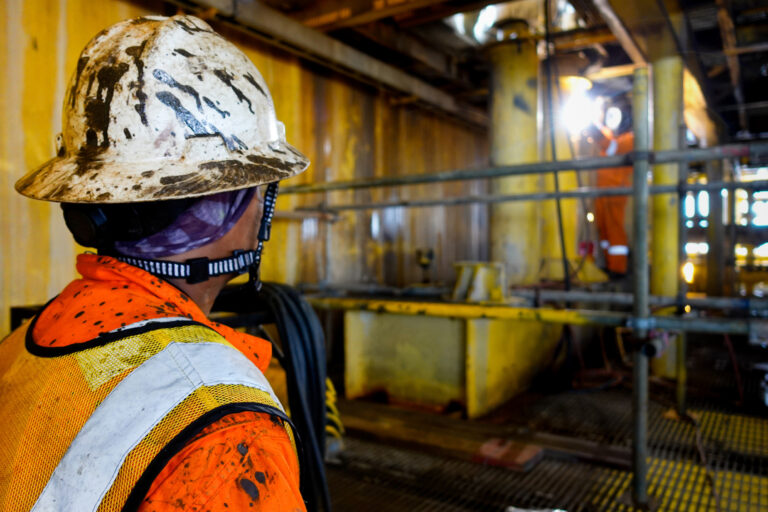
Offshore burn injuries are among the most severe and life-altering hazards at sea. When fires or explosions occur on offshore rigs, platforms, or vessels, escape options are limited, and injuries can happen within seconds. Fuel leaks, volatile gases, and high-pressure systems often turn preventable failures into catastrophic events.
This offshore fires, explosions, and chemical burns guide explains the most common causes of offshore burn injuries, the life-altering damage they can cause, and the steps injured seamen should take after an accident in the Gulf of America.
What Causes Offshore Burn Injuries?
The offshore industry operates in confined spaces filled with flammable materials and complex equipment. When safety systems fail, fires and explosions remain one of the most dangerous and preventable offshore injury hazards.
Offshore burn injuries are often the result of unsafe conditions, poor equipment maintenance, or inadequate safety procedures. Common causes include:
- Fuel or Gas Leaks
Corroded lines, defective seals, or improper maintenance can allow flammable materials to ignite. - Improper Hot Work
Welding, cutting, or grinding near fuel tanks or gas vapors can cause flash fires or explosions. - Electrical Failures
Saltwater corrosion, faulty wiring, and overloaded systems can create ignition sources. - Inadequate Ventilation
Gases can accumulate below deck without detection, increasing the risk of explosion. - Lack of Fire Watch or Safety Equipment
Missing alarms, fire suppression systems, extinguishers, or emergency drills can worsen injuries and outcomes.
What Injuries Result From Offshore Fires and Explosions?
Offshore burn injuries vary in severity and type and may include:
- Severe thermal or chemical burns
- Lung damage from smoke or toxic gas inhalation
- Post-traumatic stress disorder (PTSD)
- Permanent disability or disfigurement
These injuries frequently require long-term medical care and may prevent a return to offshore work.
Legal Rights after an Offshore Burn Injury
Under the Jones Act and general maritime law, seamen injured by fires or explosions may pursue compensation when employer negligence or vessel unseaworthiness is involved. Employers are required to maintain safe vessels and provide maintenance and cure, which covers medical treatment and basic living expenses during recovery.
What to Do after an Offshore Fire or Explosion
Taking the right steps immediately after an offshore fire or explosion can help protect your health and legal rights:
- Request medical evacuation and treatment immediately
- Report the incident as soon as possible
- Document the cause of the fire or explosion and any prior safety complaints
- Preserve photos, videos, and witness information if it is safe to do so
- Contact a Mike Brandner Law maritime lawyer before signing any company paperwork or settlement offers
Call Trusted Offshore Burn Injuries Lawyer 24/7
This article is part of our Hazards Causing Offshore Injuries series, created to help seamen understand common dangers at sea and the legal rights available after an offshore accident. We hope this information helps you recognize fire and explosion risks and know what to do if an injury occurs.
If you or a loved one has suffered offshore burn injuries and have questions about a Jones Act claim, maintenance and cure, or employer responsibility, the maritime attorneys at Mike Brandner Law are available to help protect your rights and answer your questions.
Call (985) 345-1111 or (504) 345-1111, connect through LiveChat, or fill out our secure online form to schedule a free, no-obligation consultation.
The information on this blog is for general information purposes only. Nothing herein should be taken as legal advice for any individual case or situation. This information is not intended to create, and receipt or viewing does not constitute an attorney-client relationship.