
Drillship Injury Lawyer
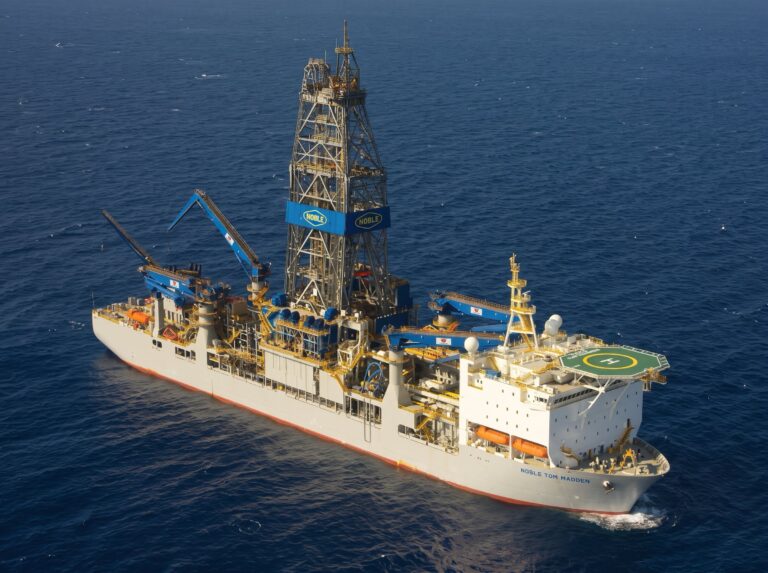
A drillship does the same punishing work as any offshore rig, with one big difference. It floats. A drillship moves under its own power and holds its spot over a deepwater well with thrusters. If you got hurt aboard one, that detail can decide your case. An experienced drillship injury lawyer at Mike Brandner Law can tell you which laws cover you and what your claim should include.
Mike Brandner Law represents offshore workers from New Orleans to the bayou parishes. Drillship cases fall under federal maritime law, not state workers’ comp, and our knowledgeable Louisiana maritime injury lawyers handle them every day.
Why a Drillship Isn’t a Platform Under Maritime Law
A fixed platform stands on legs sunk into the seafloor. Workers hurt on fixed platforms usually end up in the Longshore Program’s benefits system through the Outer Continental Shelf Lands Act. It pays weekly checks and medical bills. It does not pay for pain and suffering.
A drillship is a ship. It has a hull, engines, and a crew, and it sails from one well site to the next. Courts treat it as a vessel, which opens the door to the Jones Act and general maritime law. Those laws can pay you far more than a benefits schedule.
Most deepwater drillships in the central Gulf rely on supply boats and helicopters out of Port Fourchon in Lafourche Parish. When something goes wrong on one of those rigs, a Louisiana maritime accident attorney asks one question before anything else. Does your rig float?

Free Case Evaluation
Complete the form below and a member of our legal team will contact you to discuss your case.
Legal Protections for Crew Injured on a Drillship
If you were injured on a drillship, you can sue your employer under the Jones Act if negligence or recklessness played a part. You may also be entitled to compensation from the vessel owner when the ship, its gear, or its crew wasn’t fit for the work. Lastly, the company also owes you maintenance and cure from the day you get hurt. That benefit comes from general maritime law, and it doesn’t depend on who was at fault.
Note that your job title doesn’t settle whether you’re a seaman – your connection to the vessel does. Your work has to help the drillship do its job, and you need to spend a big share of your time aboard, often 30% or more. Federal courts in Louisiana also ask whether your work is sea-based and whether you answer to the vessel or a company onshore. Roustabouts, crane operators, motormen, galley hands, and rig medics often qualify.
Proving Negligence with a Drillship Injury Lawyer
The Jones Act exists to protect your rights. You don’t have to prove your employer’s mistake was the main cause of your injury. You only have to show it played a part, even a small one.
A company runs a short crew to save money. A pipe handler goes months without service. A supervisor tells you to keep working while the deck pitches in rough seas. Any one of those choices can be enough. An experienced drillship injury lawyer looks for them and ties them to what happened to you.
If you made a mistake too, your share of the blame lowers the award. It doesn’t wipe it out.
Sometimes the worst harm comes after the accident. A rig medic calls a broken wrist a sprain. A toolpusher decides your back can wait until the next crew change. By the time you see a real doctor, a fixable injury may be permanent. Drillship medic negligence like this can add to your claim. Read about offshore medic misdiagnosis and delayed medevac claims.
Related: What is a Jones Act Seaman?

Filing a Jones Act Drillship Claim for Full Recovery
A Jones Act drillship claim allows you to be compensated for the full cost of your injury, not a fixed benefit. That can include lost wages, the paychecks you’ll miss if you can’t go back offshore, past and future medical care, and pain and suffering. You can file in state or federal court, and you have the right to a jury.
You have three years from the date of injury to file most Jones Act and maritime claims. Don’t wait that long. Witnesses rotate to other rigs, and drillships move to new well sites half a world away.
In the first few weeks, the company may ask for a recorded statement or hand you papers to sign. Talk with a drillship accident attorney Louisiana offshore workers trust before you do either one.
Drillship Worker Injuries We Handle
Drillships run around the clock, and the work is heavy and fast. We handle claims for injuries like these:
- Defective product injuries: A crane hook, winch, or pipe-handling arm can fail because of a bad design or factory flaw. Then you may have a claim against the maker on top of your Jones Act case. More on equipment failure.
- Burn injuries: Fires, flash explosions, and chemical splashes from drilling fluids can cause significant scarring. Learn about offshore burn injuries.
- Slip and fall injuries: Mud, oil, and seawater make drill floors and stairwells slick. Missing grating and loose handrails make it worse. See our guide to deck falls at sea.
- Broken bones: Swinging loads, dropped tools, and falls from ladders break arms, legs, hips, and backs. Some need surgery and months off work.
- Fatigue-related injuries: Twelve-hour tours on a long hitch slow your reaction time, and tired hands get caught in pinch points.
The worst drillship accidents don’t end with a cast. Explosions and long falls can cause catastrophic injuries like paralysis, amputation, and brain damage. Some workers never come home. If you lost a family member offshore, you may be able to bring a wrongful death claim for the support they gave your family.
Related: Offshore Fatigue Injuries
Evidence a Drillship Injury Lawyer Uses to Win Claims
Drillship operators will document almost everything that happens aboard. The trouble is that the company holds those papers. Our attorneys demand them quickly so the proof doesn’t disappear.
You can help, too. Write down what happened while it’s fresh. Get the names of crewmembers who saw it. Ask for a copy of the vessel’s medical log and the name of the medic who treated you. A drillship injury lawyer can use those details to find the holes in the company’s story.
Many offshore workers live in Houma and Thibodaux, close to the supply bases. A Louisiana maritime accident attorney from our team can start your case with a phone call, wherever you’re recovering.
FREQUENTLY ASKED QUESTIONS
Drillship Injury Lawyer FAQ
Since drillships are treated as vessels, many people who work aboard them do qualify. You need to spend a good part of your time on the ship and do work that helps it run or drill. Contract workers sometimes qualify too. Every case turns on its facts, so a drillship injury lawyer should look at yours.
If you’re a seaman, yes. Most workers on land can’t sue their employer at all. They get workers’ comp and nothing more. A company man may hint that a lawsuit will cost you future hitches. Don’t let that pressure keep you from learning your rights.
A seaman’s claim can pay for lost income, future earnings, medical treatment, and pain and suffering. Maintenance and cure checks should start right away while the bigger case moves forward. Workers injured on a drillship by a faulty part may also recover from the company that made it.
Unlike negligence, unseaworthiness doesn’t require proof that anyone was careless. A frayed sling, a crane with a bad brake, a missing handrail, or a crew too small for the work can make a ship unfit for its job. We show what the gear or crew looked like on the day you got hurt, often with help from marine safety experts.
As soon as you’re off the vessel and getting medical care. That’s when companies push for statements and quick settlements. Calling a drillship injury lawyer before you sign anything protects your options, and the first conversation is free.
SERVING THE STATE OF LOUISIANA
Contact a Dedicated New Orleans Drillship Injury Lawyer
Getting hurt offshore can leave you with a stack of bills and no paycheck. You shouldn’t have to sort out maritime law alone while you heal. Mike Brandner Law can protect you and fight for your best interests. Let us take care of all your legal needs so that you can focus on your health.
The Jones Act lawyers at Mike Brandner Law will tell you whether you qualify as a seaman, what your case may be worth, and what to do next. A Louisiana maritime accident attorney from our firm is available 24/7. Call a drillship injury lawyer at (504) 345-1111 for a free consultation. Remember, you won’t pay a cent unless we recover money on your behalf.