
Hurt Training a Green Hand? Know Your Jones Act Rights
Every crew needs new hands. Somebody has to teach the new roustabout where to stand, what not to grab, and when to get out of the way. On most boats and rigs, that job falls to the most experienced person on deck.
Training a green hand is part of the job. Doing it alone, with no plan, no supervision, and a worker who has never set foot on a vessel, isn’t. If you were hurt training a green hand because the company cut that corner, the company should pay for it. Not you.
The Short Answer If You Were Hurt Training a Green Hand
If you’re a seaman, the Jones Act lets you sue your employer when its carelessness plays any part in your injury. Putting an untrained worker next to you on a dangerous job can be that carelessness.
You may also have a claim against the vessel owner if the crew wasn’t fit for the work. And no matter who was at fault, your employer owes you maintenance and cure. That means a daily living allowance and your medical bills while you heal.
Mike Brandner Law helps injured seamen across Louisiana, from New Orleans and Hammond to the crews working out of Port Fourchon, Houma, and Morgan City.

Free Case Evaluation
Complete the form below and a member of our legal team will contact you to discuss your case.
Your Employer Owes You a Competent, Trained Crew
A seaman’s employer must put enough trained people on each job to do it safely. That duty belongs to the company. It can’t pass it to you.
Giving you a warm body isn’t the same as giving you help. Think of a heavy lift with a partner who doesn’t know the hand signals. Or line handling with someone who has never seen a line under load. If the worker assigned to you couldn’t do the task safely, the company fell short.
Lawyers often call this a Jones Act inadequate crew claim. When a boat runs short-handed and someone gets hurt, it can also be an undermanned vessel injury.
The company also owns the training program. That means a safety orientation before a new worker hits the deck, clear rules about what trainees can and can’t do, and supervisors who check in. A veteran seaman shouldn’t be the company’s whole safety plan.
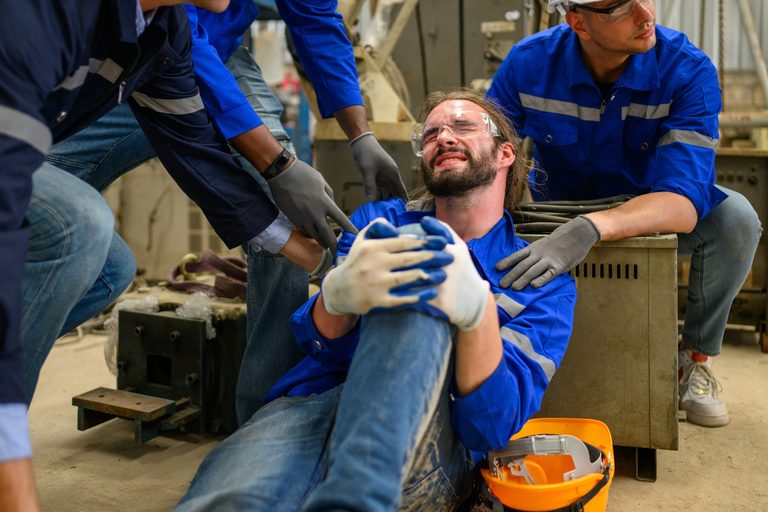
A roustabout training injury doesn’t only happen to the trainee. Often the person who gets hurt is the one doing the teaching.
Who Pays When You’re Hurt Training a Green Hand
Under the Jones Act, your employer is responsible for the careless acts of its workers. If a green hand’s mistake injures you, the law treats that mistake as the company’s mistake.
The bar is lower than in most injury cases. You need to show that carelessness played a part, even a small one.
A Jones Act claim can cover:
- Pain and suffering
- Lost wages from the day you got hurt
- Lost earning power if you can’t go back offshore
- Past and future medical care
When an Unfit Worker Makes the Vessel Unseaworthy
Maritime law also requires a seaworthy vessel. That includes a crew fit for its jobs. One slip by an otherwise capable worker usually isn’t enough. But a worker so untrained or unfit that they put everyone around them at risk can make the vessel unseaworthy. Courts call this incompetent crew unseaworthiness.
This claim doesn’t require proof that the company knew about the problem. It requires that the unfit crew member played a big part in your injury.
Hurt Training a Green Hand and Blamed for It?
Expect the company to say, “You were supposed to be watching him.” It may argue that you were in charge of the trainee’s safety and your own.
Being hurt training a green hand doesn’t make the injury your fault. Even if you share some of the blame, you can still recover under the Jones Act.
Your share of fault lowers the award. It doesn’t wipe it out. And the company’s duty to staff and train its crew doesn’t move to you just because you were the one teaching.

Does the Jones Act Cover You in Louisiana?
The Jones Act covers seamen. In general, that means workers with a strong tie to a vessel in navigation who spend a good part of their time aboard. In Louisiana, that often includes crews on:
- Supply boats and crew boats running out of Port Fourchon, Morgan City, and Houma
- Drillships and other floating rigs in the deepwater Gulf of America (Gulf of Mexico)
- Liftboats working shallow-water platforms
- Towboats and barges on the Mississippi River and the Intracoastal Waterway
Port Fourchon alone serves more than 90 percent of the Gulf’s deepwater oil production, according to the port. That means a steady stream of new hands heading offshore, and a lot of veterans training them.
Roustabouts working aboard a vessel often qualify. Workers on a fixed platform usually fall under different laws. Working on a drillship? See our drillship injury page.
Related topic: How Seaman Status Works
What to Do after You’re Hurt Training a Green Hand
Start with these steps:
- Report the injury in writing, and keep a copy.
- Write down the trainee’s name, how long they had been aboard, and what training they got, if any.
- Note who assigned the trainee to you and who was supposed to supervise.
- See a doctor you choose for an independent opinion.
- Talk to a lawyer before you give the company a recorded statement.
You generally have three years to file a Jones Act claim. That’s longer than Louisiana’s usual two years deadline for injury cases, but don’t wait. Crew lists, training records, and witnesses get harder to find as hitches rotate.
Related topic: What to do after an Offshore Injury (Part 1 & Part 2)
FREQUENTLY ASKED QUESTIONS
Getting Hurt While Training FAQs
Not for that reason. The U.S. Court of Appeals for the Fifth Circuit, which covers Louisiana, lets seamen sue if they’re fired for filing or planning to file an injury claim. On U.S. vessels, federal law also protects seamen who report a work injury to the vessel owner or the Coast Guard, or who report unsafe conditions like an untrained crew. A complaint under that law must be filed with OSHA within 180 days. If you lost your job after an injury, call a lawyer right away.
You may have more than one claim. Your Jones Act claim is against your own employer. If another company owns the boat you work on, you may have an unseaworthiness claim against that owner. If a contractor or staffing company hired the trainee, you may have a negligence claim against that company. And if your employer directed the trainee’s work, it can still be responsible for the trainee’s mistakes.
You can file in federal court or in a Louisiana state district court. Louisiana’s federal trial courts sit in New Orleans, Baton Rouge, Lafayette, Lake Charles, and other cities. If you file in state court, the company generally can’t move your Jones Act case to federal court. Federal appeals go to the U.S. Court of Appeals for the Fifth Circuit in New Orleans.
Not always. Courts look hard at releases signed by seamen. The company has to prove you signed freely, without pressure or tricks, and that you fully understood the rights you gave up. Courts also look at how much you were paid and whether you had medical or legal advice when you signed. Don’t sign anything else until a lawyer reads it.
SERVING THE STATE OF LOUISIANA
Hurt Training a Green Hand? Call Mike Brandner Law
If the company gave you a trainee instead of a crew, you shouldn’t carry the cost. Louisiana native Michael S. Brandner Jr. has more than 20 years of trial experience, has handled Jones Act claims, and has recovered millions for injured people across the Gulf South. His honors include Louisiana Super Lawyers, Top 100 Trial Attorneys, and Million Dollar Advocate.
The consultation is free. Call (504) 345-1111 in Metairie, (985) 345-1111 in Hammond, or contact us today.